
LET'S TALK

Kinetic Film works with filmmakers, producers and production companies to develop stronger projects, make better-informed decisions and solve practical production challenges. From audience and market intelligence to production strategy, co-production and AI-powered workflows, tell us what you're working on.
TELL US ABOUT YOUR PROJECT

Contact Info

Demographics can describe an audience. They cannot explain why that audience will care about your film.

Those descriptions may be useful later, but they do not explain why somebody would choose your film.

A meaningful audience definition begins with motivation. What is the audience responding to? The genre? A particular emotional experience? The subject matter? The talent? A community represented on screen? A worldview they recognise, or one they want access to?

Rather than looking for a single target audience, it can be more useful to consider several groups with different reasons for connecting with the project.


Identifying an audience means more than choosing an age range or genre demographic. The useful question is who is most likely to care about this particular project, why they will care, and what that means for the decisions a producer makes next.

Demographics can describe an audience.

They cannot explain why that audience will care about your film.

EVERYONE
EVERYONE

IS NOT AN AUDIENCE

01

CORE AUDIENCE

The people with the strongest existing reason to seek out and engage with the project.
02

ADJACENT AUDIENCE

Viewers who may enter through genre, themes, talent, subject matter or comparable work.
03

COMMUNITY AUDIENCE

Groups with a specific cultural, geographic, professional or personal connection to the world of the film.
04

DISCOVERY AUDIENCE

Viewers who may encounter the project through festivals, critics, platforms, recommendations or wider cultural conversation.
START WITH THE PROJECT

NOT THE MARKETING PLAN.

Audience identification begins with the project itself. Before thinking about campaigns, platforms or promotional channels, a producer needs to understand what is actually asking an audience to engage.
What emotional experience does the film promise?
What expectations come with its genre?
Which themes, characters or ideas give somebody a reason to care?
What feels familiar, and what makes this project different from the alternatives already available to them?
These questions help move audience thinking away from broad demographics and towards the specific relationship between a project and the people who may value it.
Image

STORY

What is the audience being invited to experience?

EMOTION

What is the audience being invited to experience?

GENRE

What expectations does the project create?

RELEVANCE

Why might this story matter to this audience now?

DISTINCTION

Why choose this project rather than another with similar subject matter or genre?

You cannot identify the right audience until you understand
what you are asking them to care about.

AUDIENCE

Identify who has the strongest reason to connect with the project, what motivates them and what expectations they bring.

POSITIONING

Define where the project sits creatively and commercially, what makes it distinctive and how it should be presented within the wider market.

COMPARABLES

Use relevant films and television projects to test assumptions about audience, positioning, scale and market opportunity, rather than relying on superficial similarities.

BUDGET

Consider whether the proposed production scale and budget are proportionate to the project’s likely audience, positioning and realistic market potential.

CAST

Examine how casting choices may influence audience recognition, positioning, financing conversations and the project’s potential value in different markets.

FINANCE

Use clearer audience and market evidence to strengthen the project’s business case and support conversations with funders, investors and co-production partners.

SALES

Give sales agents and potential partners a clearer proposition by articulating who the project is for, where it sits and why audiences may respond.

DISTRIBUTION

Identify the festivals, platforms, territories, communities and release opportunities most relevant to connecting the finished project with its likely audiences.

Audience Design does not tell you what film to make.

It helps you understand the consequences of the choices you make.

PRODUCER-LED THINKING

AUDIENCE INSIGHT
IN CONTEXT.

REAL PRODUCTION EXPERIENCE

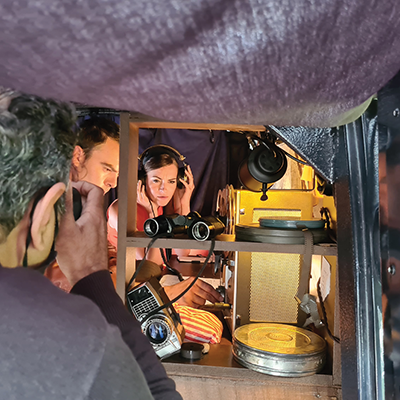
Audience decisions do not happen in isolation. They sit alongside script development, budgeting, casting, scheduling, financing, production and delivery. Kinetic’s approach is grounded in practical film and television production experience across those stages.

FROM DEVELOPMENT TO MARKET

Audience intelligence is considered as part of the wider production strategy, helping producers understand how creative choices interact with positioning, commercial scale and the eventual route to market.
Image
Image
selected industry experience

YOUR PROJECT. STRONGER DECISIONS.

Image
Image
Image
Image
Image
Image
Image
Image
Image
Image
Image
Image
AUDIENCE DESIGN

KNOW WHO YOU’RE
MAKING IT FOR.